How Often Commercial Air Ducts Should Be Cleaned
People searching for how often commercial air ducts should be cleaned are typically looking to improve air quality and efficiency, and local service providers can help by performing professional cleaning at recommended intervals.
If you’ve been wondering about how often commercial air ducts should be cleaned, you’re in the right place. Property owners in the area often explore this topic to maintain a healthy and efficient indoor environment, especially in busy commercial spaces where air quality can impact both employees and customers. Regular duct cleaning can help reduce dust buildup, improve HVAC performance, and promote a cleaner workspace. Understanding the recommended cleaning frequency can be a practical step toward keeping your property in top condition, and local contractors are available to provide expert assistance tailored to your specific needs.
Keeping air ducts clean is an important aspect of property maintenance that many business owners and managers consider for ongoing comfort and safety. Factors like the size of the space, the number of occupants, and the presence of allergens or pollutants can influence how often commercial air ducts should be cleaned. Local service providers who specialize in air duct cleaning are equipped to evaluate these factors and recommend a schedule that aligns with your property’s unique requirements. Continuing to explore this topic can help ensure your ventilation system remains efficient and your indoor environment stays healthy.
- Commercial air duct cleaning - is recommended more frequently in buildings with high occupancy or heavy equipment usage, and local contractors can assess the specific needs of each space.
- Commercial air duct cleaning - may be necessary when there is visible dust, mold, or debris buildup, with local service providers performing inspections to determine cleaning frequency.
- Commercial air duct cleaning - should be considered after renovation or construction projects to remove residual dust and particles, with local pros providing thorough cleaning services.
- Commercial air duct cleaning - is advised if there are persistent odors or allergy symptoms among building occupants, and local contractors can evaluate duct conditions to recommend appropriate cleaning intervals.
- Commercial air duct cleaning - can help maintain air quality in buildings with pets or smokers, with local service providers offering tailored cleaning schedules based on indoor air conditions.
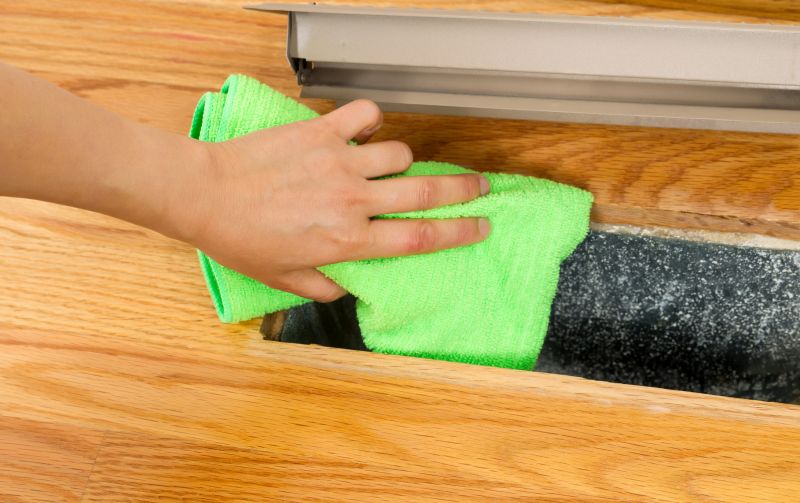
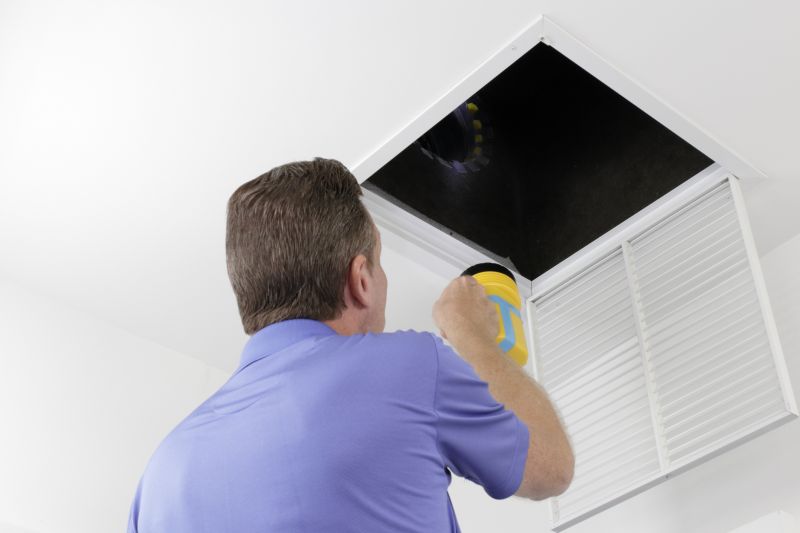
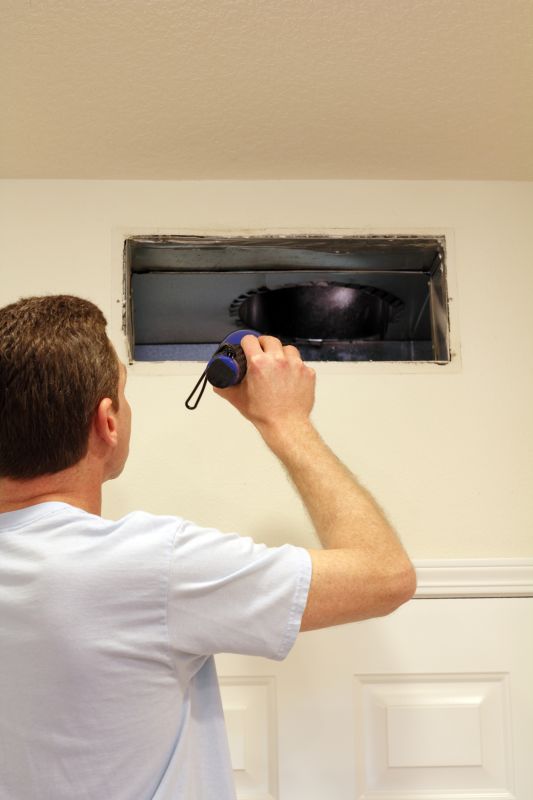
When people search for how often commercial air ducts should be cleaned, they are usually trying to determine a maintenance schedule that keeps indoor air quality high and equipment running efficiently. This topic often comes up during planning for regular building upkeep or when addressing specific concerns such as persistent dust, odors, or signs of mold. Business owners, property managers, and facility operators want to understand the ideal timeframe to have ducts inspected and cleaned to prevent issues that could disrupt operations or compromise occupant health. Knowing the recommended cleaning frequency helps them avoid unnecessary service visits while ensuring their ventilation systems remain in good condition.
This question is closely related to a range of concerns including indoor air quality, energy efficiency, and compliance with health standards. Dirty or clogged air ducts can lead to increased energy costs, as HVAC systems work harder to circulate air effectively. In some cases, accumulated dust, debris, or mold can cause allergic reactions or respiratory problems among building occupants. Many property owners plan routine maintenance to prevent these issues, especially in commercial spaces with high traffic or specific indoor air quality requirements. In addition, addressing how often ducts should be cleaned can be part of larger plans to improve overall building performance or prepare for inspections and audits.
The types of properties that typically come up when discussing how often commercial air ducts should be cleaned include office buildings, retail stores, restaurants, healthcare facilities, and industrial spaces. These properties often have complex ventilation systems that require regular upkeep to meet safety and health standards. Larger buildings with multiple floors and extensive duct networks may need more frequent cleaning due to higher usage and greater accumulation of pollutants. Conversely, smaller commercial spaces with limited HVAC activity might have less frequent needs. Local service providers understand the specific demands of different property types and can recommend a cleaning schedule tailored to each facility’s unique environment.
Understanding how often commercial air ducts should be cleaned helps property owners and managers plan maintenance that aligns with their operational needs. Regular cleaning by experienced local contractors can prevent costly repairs, improve indoor air quality, and ensure systems operate efficiently. These professionals assess factors such as the age of the ductwork, the presence of allergens or mold, and the level of HVAC activity to determine appropriate service intervals. By working with local pros, property owners can establish a practical maintenance routine that minimizes disruptions and supports a safe, healthy indoor environment. This proactive approach is essential for maintaining the longevity and performance of commercial ventilation systems.
HVAC System Maintenance - HVAC technicians often handle duct inspections and cleanings, which are essential for maintaining air quality and ensuring proper airflow in commercial spaces.
Indoor Air Quality Assessments - Professionals conducting air quality tests may recommend duct cleaning based on findings, linking to the importance of regular maintenance for optimal air conditions.
Commercial Ventilation System Installations - Installing or upgrading ventilation systems involves planning and knowledge of ductwork, similar skills used in air duct cleaning projects.
Air Filtration System Installation - Setting up advanced air filtration requires understanding duct layouts and airflow, paralleling the planning involved in duct cleaning services.
Building HVAC Inspections - Regular inspections of heating, ventilation, and air conditioning systems often include duct assessments, highlighting maintenance needs and cleaning frequency.
Air Duct Repair and Replacement - Repairing or replacing damaged ducts involves similar planning and tools as cleaning, ensuring proper system performance in commercial buildings.
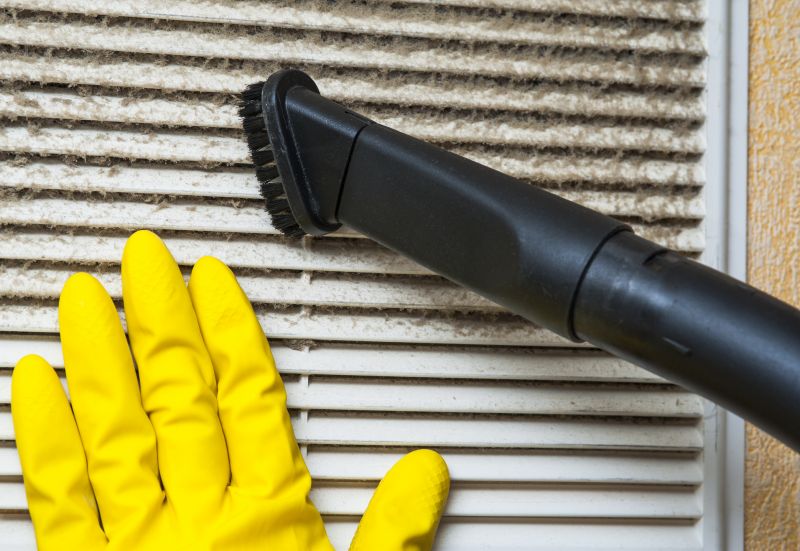
When evaluating commercial air duct cleaning service providers, it is important to consider their experience with similar projects. Contractors who have a proven track record in handling commercial spaces are more likely to understand the unique requirements and complexities involved in cleaning larger or more intricate duct systems. Inquiring about their previous work can help determine if they have the necessary background to efficiently and effectively manage the scope of the job, ensuring that the cleaning meets industry standards and addresses the specific needs of the commercial environment.
Clear written expectations are essential when comparing local contractors for air duct cleaning. A reputable service provider should be able to provide detailed descriptions of the process, what is included in the service, and any preparations needed beforehand. Having this information in writing helps prevent misunderstandings and ensures that both parties are aligned on the scope of work. It also provides a reference point should questions or concerns arise during or after the project, making it easier to assess whether the contractor’s approach aligns with the recommended frequency for cleaning.
Reputable references and good communication are key indicators of a reliable service provider. Speaking with previous clients or reading reviews can provide insights into the contractor’s professionalism, quality of work, and responsiveness. Additionally, service providers who communicate clearly and promptly tend to be more transparent and easier to work with. This openness can make the process of scheduling and completing air duct cleaning smoother, and help ensure that the work is done thoroughly and according to the expectations related to how often commercial air ducts should be cleaned.
Property owners often search for how often commercial air ducts should be cleaned when they are planning practical projects around their homes and businesses. Local pros provide Air Duct Cleaning services for everyday jobs and straightforward project options.
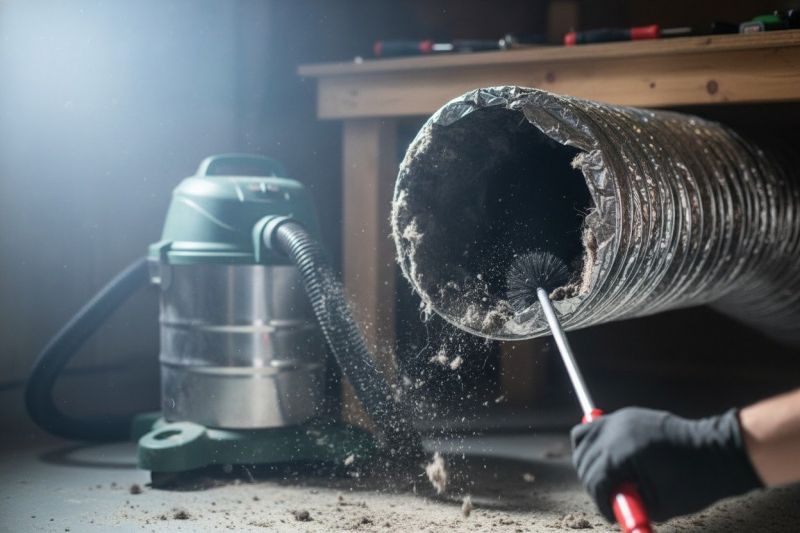
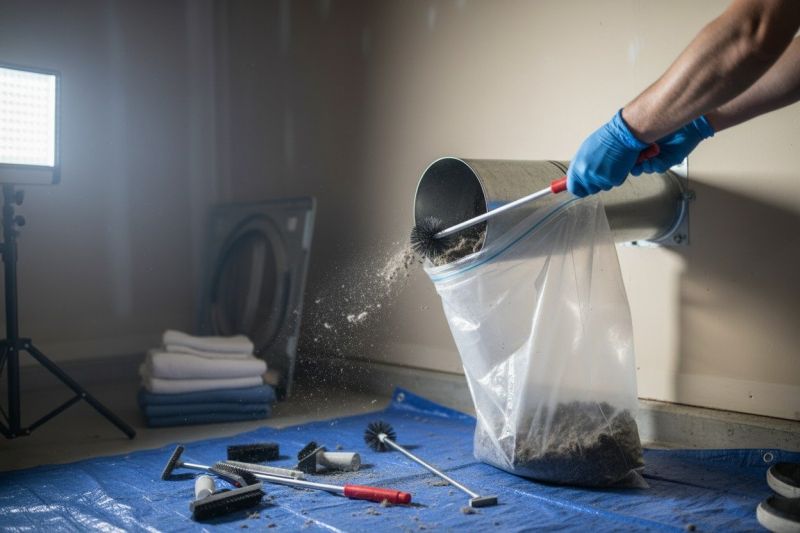
Understanding how often commercial air ducts should be cleaned is a common concern for property owners aiming to maintain a healthy indoor environment. Many businesses and facility managers look into this topic to ensure their HVAC systems operate efficiently and to prevent the buildup of dust, mold, or other debris that can impact air quality. When considering air duct cleaning, property owners often explore options with local contractors who specialize in commercial services, seeking reliable professionals to handle the job and keep their spaces comfortable and safe.
The frequency of cleaning can vary based on factors such as the size of the space, the type of business, and the level of use. For example, high-traffic commercial locations or those with specific health considerations may require more frequent duct cleaning. Local service providers can assess individual needs and recommend appropriate schedules for maintaining clean air ducts, helping property owners make informed decisions about their HVAC upkeep. Connecting with experienced contractors ensures that the work aligns with the property's requirements and supports a healthy indoor environment.
How often should commercial air ducts be cleaned? Generally, commercial air ducts should be cleaned every 3 to 5 years, but the frequency can vary based on factors like building size, usage, and environmental conditions. Local contractors can assess specific needs and recommend an appropriate cleaning schedule.
Are there signs that indicate commercial air ducts need cleaning sooner? Yes, signs such as visible dust or debris, musty odors, increased allergy symptoms, or inconsistent airflow may suggest that cleaning is needed sooner. Local service providers can help evaluate whether a cleaning is necessary.
Does the type of business affect how often air ducts should be cleaned? Yes, certain businesses like restaurants, medical facilities, or manufacturing plants may require more frequent cleaning due to higher levels of contaminants or specific regulations. Local pros can provide tailored advice for different industries.
Can regular maintenance reduce the need for frequent air duct cleaning? Regular maintenance, including filter changes and inspections, can help reduce the buildup of dust and debris, potentially extending the time between professional cleanings. Local contractors can advise on best practices for ongoing upkeep.
How do local pros determine the right cleaning schedule for a commercial space? They typically assess factors such as the building’s size, occupancy, type of business, and environmental conditions to recommend an optimal cleaning frequency for maintaining air quality and system efficiency.
Regular maintenance schedules can help property owners determine how often commercial air ducts should be cleaned, especially in busy or heavily used spaces. Local contractors can provide guidance based on the specific needs of the building and its usage. Seasonal inspections allow property owners to assess whether duct cleaning is needed more frequently during certain times of the year. Monitoring indoor air quality can indicate when cleaning is necessary to maintain a healthy environment, with local service providers offering expert assessments.
If you are thinking about how often commercial air ducts should be cleaned for a property, this guide is meant to help you understand this topic, the typical project types, and how different options might fit your plans.
When you are ready, you can use the quote form on this page to share a few details about your project. From there, local pros can review the basics and follow up with options that match what you have in mind.